In the Age of AI Video, Being Real Is a Competitive Advantage
AI-generated video has moved fast. A year ago, it was still a novelty for many businesses. Now, AI can help businesses create video content quickly, consistently, and at a lower cost than traditional production. For some types of content, that can be genuinely useful.
That does not make professional video production less valuable. It simply means businesses have more options for communicating with their audiences.
AI can be useful for daily YouTube content, internal training videos, explainers, educational content, and other situations where speed, consistency, and cost matter. A business leader, for example, could use an AI version of themselves to deliver regular messages without needing a camera crew and editor for every video.
But there are other stories that benefit from something AI cannot simply manufacture: the real experiences, personalities, environments, and relationships that make an organization unique.
When the goal is to build trust, create emotional connection, or help an audience understand the people behind a business, real stories can be incredibly powerful.
That’s where professional video production continues to have an important role.
AI Video Has a Place in Modern Communication
The conversation around AI video does not have to be about choosing AI or traditional production.
For many organizations, the most effective approach may be using both.
AI can make it easier to communicate frequently. A company can create training materials faster, produce educational videos at scale, or publish regular updates without scheduling a full production every time. For organizations with a lot of information to share, that efficiency can be extremely valuable.
AI-generated video can also make certain types of content accessible to businesses that may not have the budget for traditional production on every project.
But not every video has the same purpose.
A training video explaining an internal process has different requirements from a brand film introducing a company’s team. A daily YouTube update is different from a documentary about a founder’s journey. A product explainer is different from a customer story.
The right production approach depends on what the audience needs to understand, remember, and feel.
For documentaries, wildlife programs, journalism, and other factual storytelling, AI-generated imagery raises a different question. If generated images, voices, or scenes are used to represent real events or subjects, viewers should be clearly informed. In these formats, authenticity is not just a creative choice – it is part of the trust between the filmmaker and the audience.
Why Real People Still Matter
Businesses have something uniquely valuable that already exists inside their organization: their people.
Employees, customers, founders, leaders, students, partners, and community members all have experiences that can communicate a level of personality and credibility that scripted marketing language often cannot.
A real person telling a story brings more than words to the screen. Their expression, timing, humor, emotion, pauses, and personality all become part of the message.
Sometimes the most memorable moment in a video is not the perfectly delivered line. It is the unexpected answer, the laugh between takes, the personal story, or the emotion that appears when someone talks about something that genuinely matters to them.
Those moments are difficult to plan because they are not simply information. They are human experiences.
Real Stories Can Build Trust and Likeability
This is where authentic video marketing can become especially valuable.
When audiences see real people talking about real experiences, they get an opportunity to understand the organization beyond its branding and marketing language.
A nonprofit can introduce the people behind its mission. A company can show the employees who make its work possible. A school can introduce the teachers and students who create its culture. A hospitality brand can show the people and places that make the experience memorable.
These stories do not have to be overly polished or dramatic.
They simply need to be real, well told, and relevant to the people watching.
A good example is this video about a custodial team, which puts real people and their work at the center of the story. By giving viewers an opportunity to see and hear from the people behind the work, the video creates a more personal connection and helps build trust and likeability. Showing real people in real situations helps audiences understand who an organization really is.
That is one reason documentary-style video production remains such a valuable approach for businesses and organizations.
Authenticity Is About More Than Putting a Camera in the Room
Authenticity does not mean pointing a camera at someone and pressing record.
Good video storytelling requires thought and experience.
It means choosing the right people to interview, asking questions that encourage meaningful answers, creating an environment where people feel comfortable, and knowing when to follow an unexpected part of the conversation.
It also means paying attention to the environment around the story.
- Real environments. A drone shot over an actual coastline, property, or job site can give viewers a sense of place and scale.
- Unscripted moments. Allowing people to speak naturally can reveal stories and personality that would never appear in a tightly scripted interview.
- Specific experiences. A real underwater production or a genuine location can give a story visual details that connect it directly to the organization.
- Human judgment. An experienced Director of Photography makes countless decisions about lighting, framing, movement, timing, and environment that help the story feel natural and engaging.
The technology used to create the video matters, but so does the reason behind the video.
Professional Video Production Still Has a Role
Professional video production is not valuable simply because it uses cameras, lighting, and a production crew.
Its value comes from what those tools allow filmmakers to capture and shape.
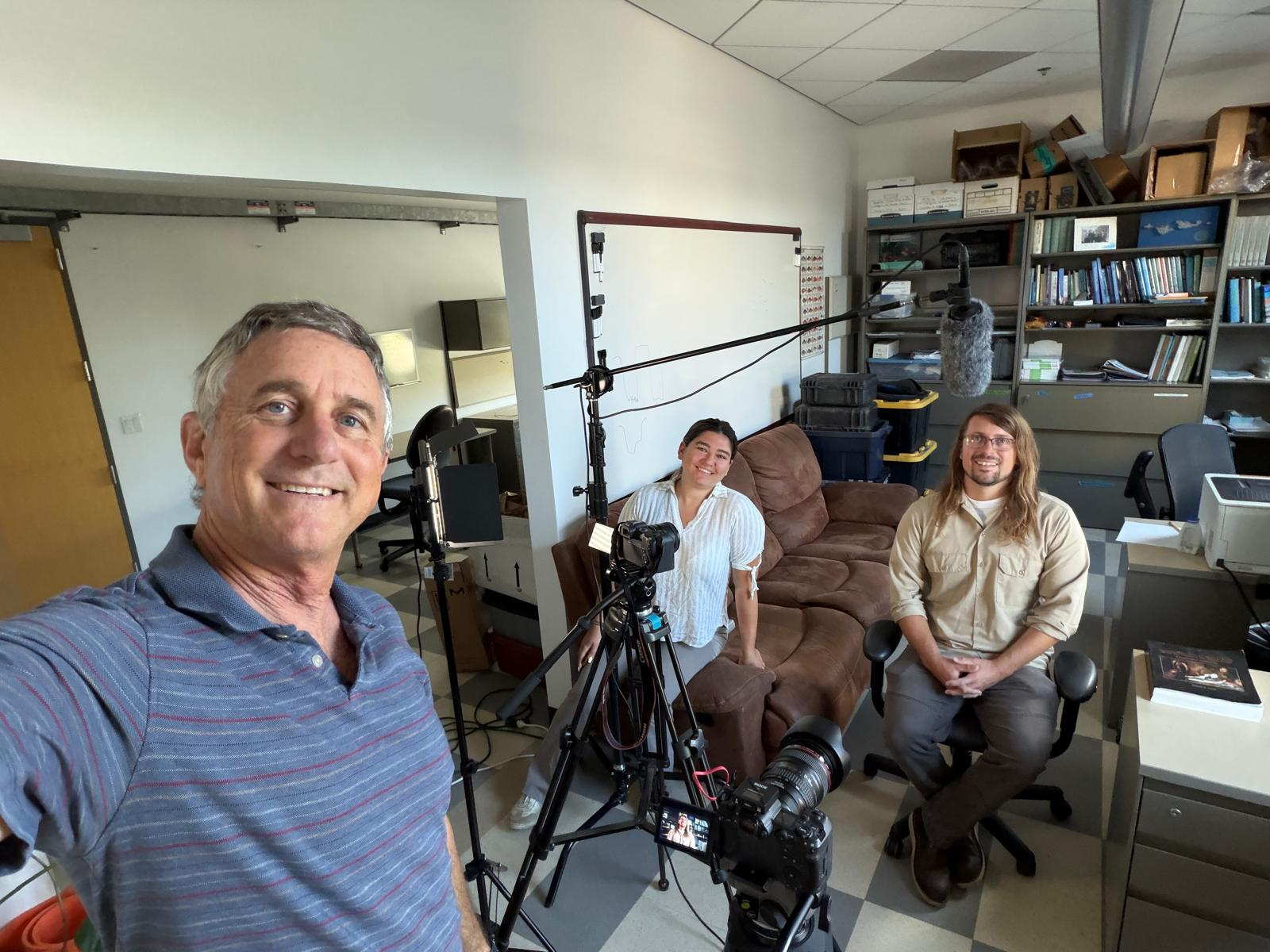
An experienced filmmaker or production team can spend time with people, observe their environment, ask questions, look for meaningful details, and build those elements into a story.
That can be particularly important for corporate video production, nonprofit storytelling, educational organizations, hospitality brands, and businesses where relationships and reputation influence decisions.
The goal is not simply to make a video look polished.
The goal is to make the story feel intentional while allowing the people and experiences within it to remain genuine.
Choosing Between AI, Real Production, or Both
Instead of asking whether AI video or professional video production is better, businesses may benefit from asking a more practical question:
What is the purpose of this video?
AI works especially well when the goal is to deliver information efficiently, publish frequent updates, create internal training, produce explainers, or communicate content at scale.
Real-world production becomes more valuable when the people, place, culture, or experience itself is part of the message. If the goal is to introduce a team, document an important event, tell a customer story, communicate a company’s culture, or create an emotional connection with an audience, real-world production may be the better choice.
And in many cases, the answer can be both.
AI can help with scripting, planning, editing, repurposing, and producing certain types of content. Professional production can capture the real people, places, and experiences that make a business unique.
The two approaches do not have to compete.
They can complement each other.
What Businesses Should Ask Before Their Next Video
Before starting a new video project, businesses and organizations should consider:
- Who are the real people our audience should meet?
- What experiences or stories best demonstrate who we are?
- Does this video need to be produced quickly and frequently?
- Would showing our actual people, location, or work create a stronger connection?
- Could AI and professional production work together on this project?
These questions help businesses choose the production approach based on the communication goal rather than simply following the latest technology.
The Takeaway
AI video will continue to become faster, more capable, and more accessible. That is not necessarily something businesses should resist. Used thoughtfully, AI can help organizations communicate more often, reduce production costs, and deliver useful information efficiently.
At the same time, real people and real experiences remain powerful storytelling assets.
A genuine conversation. An employee describing why they care about their work. A customer sharing an experience. A founder explaining the personal reason behind a company’s mission. A real location captured at the right moment.
These are the stories that can make an organization feel human.
Professional video production can give those stories the cinematography, sound, interviewing, editing, and storytelling needed to make them resonate.
If you’re planning a shoot in Southern California, we provide Ventura video production, Santa Barbara video production, Los Angeles, San Diego, and Riverside.
AI gives businesses more ways to create video than ever before. But when the goal is trust, connection, and showing audiences who you really are, real people and real experiences can become a competitive advantage.
FAQs
1. Is AI-generated video replacing professional video production?
Not necessarily. AI can be highly useful for training, explainers, frequent YouTube content, and other videos where speed and cost are priorities. Professional production remains valuable when real people, real experiences, and storytelling are central to the video’s purpose.
2. When should a business consider using AI video?
AI video can make sense for internal training, educational content, frequent updates, explainers, and other situations where businesses need to communicate information quickly and consistently.
3. When is professional video production a better choice?
Professional video production can be especially valuable when a business wants to tell a meaningful story, introduce its people, show its culture, document real experiences, or build an emotional connection with its audience.
4. Can businesses use AI and professional video production together?
Yes. AI can support scripting, planning, editing, repurposing, and other parts of a production workflow, while experienced filmmakers or production teams can capture authentic people, locations, interviews, and experiences.
5. Why are real people effective in business video storytelling?
Real people bring personality, emotion, experience, and credibility to a story. Their natural responses and personal experiences can help audiences understand and connect with an organization on a more human level.